
Doorstep scams prevention

Doorstep scams occur when someone comes to your front door to either scam you out of your money, personal information or even to gain access to your home to steal valuable items. Scammers conducting this type of fraud can take many different forms including door-to-door sales, traders, charity collectors, utility officials or even a stranger in need of help. These scams can be challenging for victims to avoid as there is an added pressure when dealing with someone face-to-face. Here we explore the various types of doorstep scams and explain how you or a loved one can stay protected.
Common forms of doorstep scams
Bogus tradespeople
From roofers, gardeners and plumbers, rogue traders can take various appearances. This scam occurs when fake tradespeople turn up at your front door and pretend to notice issues with your home. Often, they will offer to repair it within a very short amount of time and at a lower cost than usual.
If you agree for them to complete the work, they will usually ask for upfront payment. After receiving payment, the scammer will usually disappear without completing the work and without trace.
Door-to-door sales
Another common type of doorstep scam involves fraudsters turning up at your door wanting to sell a product or a service. Often these sellers will be pushy and mention they have significant discounts, or a limited time offer available. A forceful style can often be an indicative sign of a scammer.
Door-to-door sales are not illegal, but the seller must comply with consumer protection laws. If selling goods, a Pedlar’s Certificate may be required.*
Fake police or bank staff
Be wary of anyone who knocks on your door claiming to be from the police or from your bank. These individuals will ask for personal bank details like your PIN number or to see your bank cards, which legitimate police or bank workers would never ask for. Utilities ‘officials’
Utilities ‘officials’
This type of doorstep scam involves individuals impersonating someone from your gas or electricity provider but without official proof of ID. After they have gained your trust, they will enter your property and pretend to take a reading. Once inside, they may steal valuable items or proceed to gather personal information that can be used to commit further fraud.
Your gas or electricity provider should contact you prior to a visit and their workers will always provide official ID.
Fake charity workers
Playing on emotions is an approach used by scammers to get you to part with your money, especially from those who are pretending to be from a charity. Here, fraudsters will sell an emotive story and persuade you, sometimes intensely, to donate on the spot.
Ensure those who say they are working on behalf of a charity can provide a registered charity number. If you would like to donate, you can always mention you would rather donate online instead.
Strangers in need
Some scammers pose as strangers in desperate need of help. Fake emergencies are crafted, and the individual may ask to enter your home to use your phone to call a family member, friend, a breakdown company or even to use your bathroom. Victims often feel sympathetic and will offer to help where they can. However, fraudsters can take advantage of those who are good natured and once in a property will look to steal valuable items.
*A pedlar’s certificate is a document authorising the bearer to sell goods or services door-to-door anywhere in the UK for up to 12 months.
Common tactics used by doorstep scammers
Pressure tactics: Individuals will insist you make a decision on the spot. This may be to purchase a service, donate or to provide personal information.
Mention of neighbours: Often scammers will mention they are doing work for your neighbours or have spoken to them to try and gain your trust.
Too good to be true offers: Services or products may be offered to you at a very low price which you feel is too good to turn down.
Mysterious issues: Rogue traders will pretend there are issues with your home (for example with your roof) that requires urgent attention.
Professional appearance: Often individuals will wear clothing to replicate uniforms, carry fake IDs, or use official-looking paperwork to convince you they are genuine.
Emotional appeals: This particularly applies to those who are pretending they are working on behalf of a charity. Scammers will aim to exploit your emotions, using stories or urgent need to persuade you into donating money.
Unsolicited visits: Normally fraudsters will appear at your door without any prior contact or warning. This is usually done to catch you off guard. Be wary of anyone that turns up at your door without contacting you in advance.
Tips to protect yourself from a doorstep scam
Don’t be afraid to say no: Never feel like you have to say yes. If you feel uncomfortable, unsure or intimidated, trust your instinct. Don’t feel embarrassed about turning someone away. Saying no to any offer, charity request, or service provider who knocks on your door is perfectly fine. Additionally, only let someone into your home if you’re expecting them or they’re a trusted friend, family member or professional.
Take your time: Don’t feel pressured into making quick decisions. Making a rushed decision may lead you to making an error of judgement. Anyone from a legitimate organisation will give you time to consider your options and won’t pressure you into providing any sensitive information or making a payment. It is also worth always getting a second opinion on anything if
you are unsure.
Verify credentials: Always ask for identification – a genuine person won’t mind. Often scammers will carry fake ID so ensure you verify the company they represent by phone or by checking online. Never use contact details the person at your door gives you.
Never provide sensitive information: Some scammers may pretend to be from the police or your bank requesting information such as card details. Never disclose your PIN, bank details or give them your card. Legitimate individuals will never ask for this information via house calls.
Put up signage: Place a “no cold callers” sign clearly visible on your front door or window. This can deter those who are wanting to show up at your door unexpectedly.
Consider a smart doorbell: These allow you to speak to someone on your doorstep without opening the door. These can also be particularly useful if you have a loved one who is vulnerable and lives by themself. You can connect the camera to your own device, so you are notified whenever they have a caller.
Be sceptical: If an offer seems too good to be true, it most likely is. Research and compare prices before agreeing to any deal, especially one provided by strangers who knock at your door.
Take a look at the full Issue 6 of Mutual 6 here.
Related Mutual

SEP 20, 2025
Ali’s Running Story
We are extremely proud of all our colleagues and all that they do. View more colleague stories.
SEP 20, 2025
Jon’s Savings Blog – The importance of talking about money
Money has long been a taboo topic, especially in families, friendships, and even romantic relationships. But silence can lead to misinformation, poor decisions, and financial stress. Open conversations help normalise financial literacy and empower people to ask questions and seek help.
SEP 20, 2025
A spot of phishing
‘Phishing’ is when criminals use fake emails, phone calls, texts or websites to trick their victims. Most phishing scams will attempt to trick their victims into thinking they are a legitimate company or website with underhand tactics. Usually, these fake messages will try to make you click a link, visit a website or provide personal information. Opening these links may give your computer a virus or allow the criminal to access your private information.
SEP 20, 2025
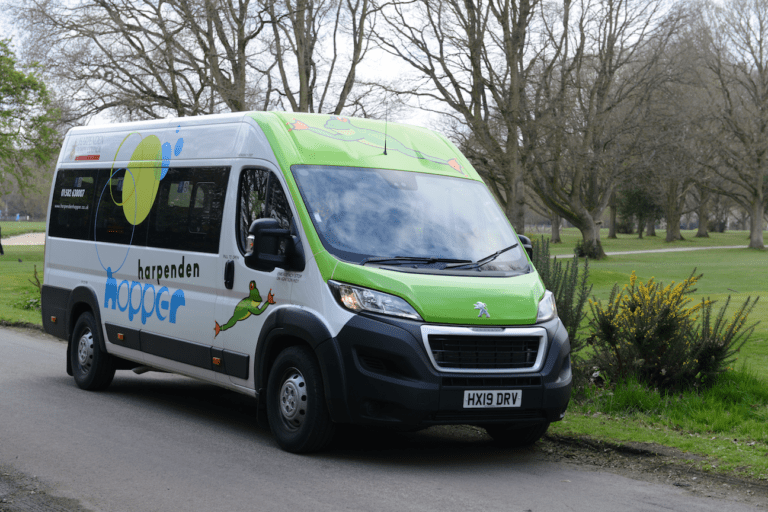
Harpenden Hopper Grant
The Harpenden Hopper is a community minibus service that has become much more than just a means of getting from A to B. The Hopper is a lifeline for many within Harpenden and a vehicle of inclusion and independence.
SEP 20, 2025
Volunteering Stories
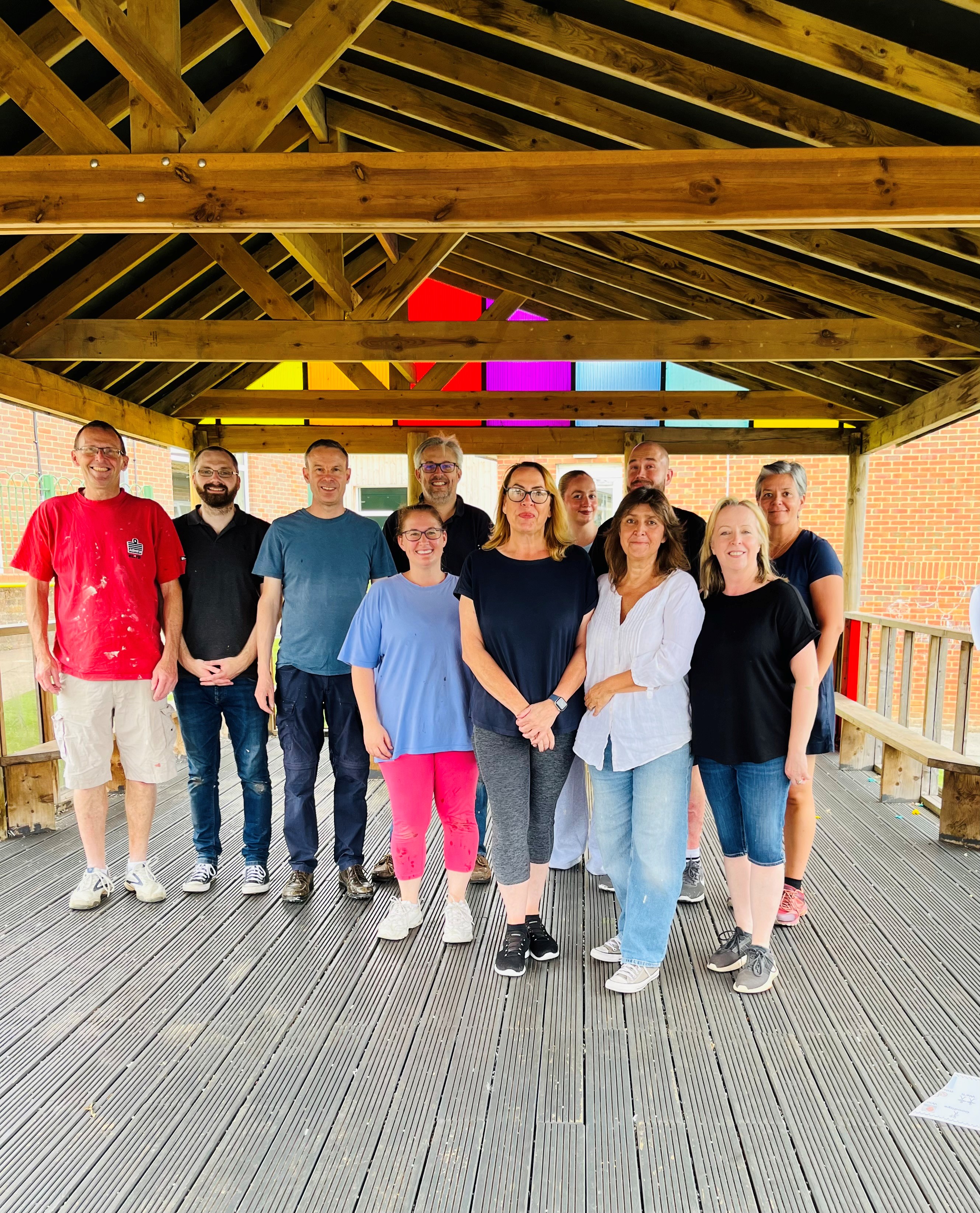
For the third year running, eleven colleagues from across the Society visited Watling View School in St Albans for a day this summer to help give their facilities a spruce up ahead of the new term in September.

SEP 20, 2025
South Side Studios Grant
We are South Side Studios, a community interest company founded and run by local creative director Fiona Garden. We activate vacant and underused buildings in the centre of Leighton Buzzard, transforming them into accessible, affordable spaces for artists, micro-businesses, and community groups. By supporting creative enterprise and community-led activity, we aim to revitalise the town centre through place-making, collaboration and visibility for local talent.

SEP 20, 2025
Citizens Advice Grant
Citizens Advice St Albans District (CASTAD) is a local advice charity. Local volunteers and staff give free advice and practical support that is confidential, impartial and independent to help people deal with a wide variety of problems. We provide a lot of our advice by phone - working from offices in St Albans Civic Centre in the City, and also in person from Harpenden Salvation Army, the Well Bean Café in Southdown, Wheathampstead Marford Memorial Hall and the Parish office in Redbourn. We give advice at eight foodbank venues across the district, and we are part of the national Citizens Advice network.
SEP 20, 2025
Interview Skills Day
Elliot Ashby volunteers at his old secondary school for an interview skills day with students in year 12.